In the world of eyewear, few brands carry the weight and recognition of Ray-Ban. Founded in 1937, the house of Ray-Ban has maintained its devotion to quality and technology, helping establish a legacy of authenticity that spans nearly a century. But as we find ourselves in August 2026, the question is no longer just about style or UV protection. It's about what happens when an iconic brand steps into the future. For this review, we're diving deep into the current state of Ray-Ban, with a particular focus on the groundbreaking—and at times, controversial—Ray-Ban Meta smart glasses, which represent the most significant evolution of the brand since the introduction of the Wayfarer.
The Evolution of a Classic: From Aviator to AI
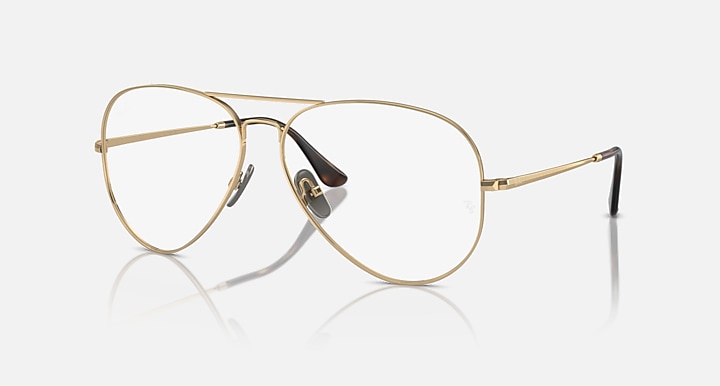
Ray-Ban journey from supplying the U.S. Army Air Corps with the original Aviator to becoming the world's best-selling sunglasses brand is a testament to its ability to blend form and function. Today, that legacy is being redefined through a powerful partnership with Meta.
The collaboration has yielded a new category of AI glasses, with more than 7 million pairs reportedly sold in 2025, making them some of the fastest-growing consumer electronics in history . This isn't a niche experiment; smart glasses are becoming mainstream, and Ray-Ban is leading the charge. The idea is simple yet powerful: take the most recognizable frames in the world and embed technology that makes them a seamless extension of your digital life.
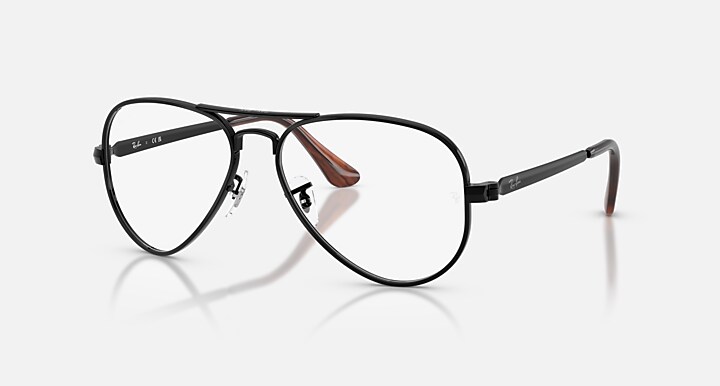
Product Lineup Overview
Ray-Ban Meta currently offers three distinct smart glasses lines, each catering to different use cases:
| Product | Price (USD) | Key Features | Best For |
|---|---|---|---|
| Ray-Ban Meta Gen 2 | Starting at $379 | Camera, speakers, Meta AI, no display | Everyday use, content capture |
| Ray-Ban Meta Optics | Starting at $499 | Prescription-ready, extended hinges, nose pads | Daily prescription wearers |
| Ray-Ban Meta Display | $799 | Full-color in-lens display, Neural Band controller | Enhanced AI experience, navigation |
Ray-Ban Meta Gen 2
The current generation of Ray-Ban Meta smart glasses is a significant leap forward. At first glance, they are indistinguishable from a classic pair of Wayfarers, Skylers, or Headliners . This is deliberate. The best tech is frictionless; you forget you have it until you need it .
Camera and Audio: The 12 MP ultra-wide camera is a standout feature, capturing your point of view with impressive clarity and vibrant colors. The ability to record in 3K Ultra HD at 30fps is a genuine leap from the first-generation glasses . While it won't replace your smartphone for professional shots, it excels at capturing candid moments you'd usually miss.
Battery Life: One of the biggest complaints about the first generation has been addressed. The Gen 2 glasses now offer up to 8 hours of active use, easily lasting through a full day of mixed usage. The charging case adds up to 48 hours of power and offers fast charging .
Ray-Ban Meta Optics
In March 2026, Meta and EssilorLuxottica introduced a new line of optical-first styles, the Blayzer Optics and Scriber Optics, designed specifically for prescription wearers . This signals Meta's ambition to make AI glasses an everyday essential for everyone, not just sunglass enthusiasts.
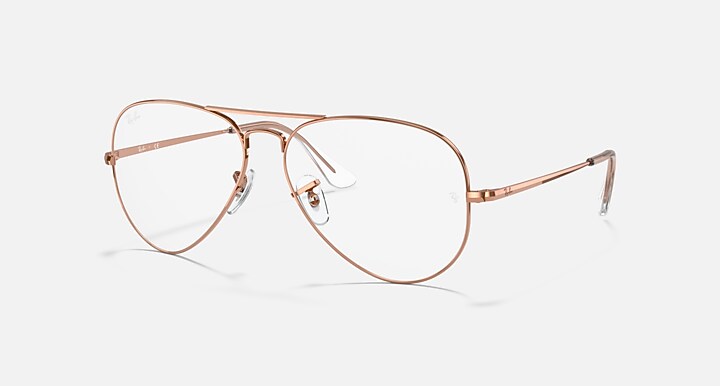
Available for pre-order starting at $499, these frames are built for all-day comfort. They feature overextension hinges, interchangeable nose-pads, and optician-adjustable temple tips . The slimmer, lightweight design makes them feel less like tech and more like a premium pair of frames.
Ray-Ban Meta Display
The newest addition to the lineup, unveiled at Meta Connect 2025, features a full-color waveguide display embedded in the right lens . Controlled via the Neural Band—a wrist-worn gesture controller—these glasses can show navigation, live captions, translations, and app notifications directly in your field of view .
Key Display Specs :
-
Resolution: 600×600 pixels
-
Refresh rate: 90Hz (drops to 30Hz for static content)
-
Brightness: Up to 5,000 nits
-
Field of view: 20 degrees
Product Comparison Chart
| Feature | Gen 2 (Standard) | Optics | Display |
|---|---|---|---|
| Camera | 12MP ultra-wide | 12MP ultra-wide | 12MP ultra-wide |
| Video Resolution | Up to 3K | Up to 3K | Up to 3K |
| Display | None | None | 600×600 color waveguide |
| Battery Life (Glasses) | Up to 8 hours | Up to 8 hours | Up to 6 hours |
| Battery Life (Case) | Up to 48 hours | Up to 48 hours | Up to 24 hours |
| Prescription Ready | No (add-on available) | Yes | Yes |
| Weight | ~49g | ~49g | 69g |
| Starting Price | $379 | $499 | $799 |
Pros and Cons
Ray-Ban Meta Gen 2 & Optics
| Pros | Cons |
|---|---|
| ✅ Stylish, discreet design | ❌ Difficult to frame shots without preview |
| ✅ High-quality 3K video capture | ❌ Limited bass and significant audio leakage at high volume |
| ✅ Helpful AI assistant for quick queries | ❌ AI responses can be inconsistent and occasionally wrong |
| ✅ Clear call quality with noise reduction | ❌ Privacy light can be dim and easily missed |
| ✅ Improved battery life (8 hours) | ❌ IPX4 rating only—no dust protection |
| ✅ Comfortable all-day fit | ❌ Photos lack sharpness and detail compared to phones |
Ray-Ban Meta Display
| Pros | Cons |
|---|---|
| ✅ Sharp, colorful display | ❌ Locked to Meta's ecosystem |
| ✅ Neural Band provides excellent gesture control | ❌ Limited third-party app notifications |
| ✅ Useful navigation guidance | ❌ Bulky, heavy frames (69g) |
| ✅ Live captions and translations | ❌ Only supports 3 languages for voice translation |
| ✅ Dimmable lenses | ❌ Must book in-store demo to purchase |
The Verdict on the Tech: Is It Worth It?
The Ray-Ban Meta (Gen 2), Optics, and Display are undeniably impressive pieces of tech. They succeed in making smart glasses feel normal, and the ability to capture photos, take calls, and interact with an AI assistant hands-free is genuinely liberating.
When It Works: The glasses are at their best when used as a complementary device, not a replacement for your phone . They excel at simple tasks: taking a quick photo without reaching for a phone, having a voice call while walking, and listening to music while staying aware of your surroundings. The AI features, particularly object and landmark recognition, are useful for travel.
When It Doesn't: The AI is still a work in progress. The feature can be inconsistent, sometimes offering vague observations instead of concrete answers . Photos come out soft and poorly framed since neither generation lets you preview the shot first .
Privacy Concerns
No review of the Ray-Ban Meta glasses in 2026 would be complete without addressing the significant privacy questions they raise. The glasses' ability to record video and take photos discreetly has earned them scrutiny from critics and the public alike .
Data Collection and Consent: There have been disturbing reports of workers reviewing data from Meta smart glasses seeing intimate and sensitive footage . Voice interactions can be stored and processed, and images captured using multimodal features can be used to train Meta's AI models.
The LED Fix: In July 2026, Meta released a software update that disables the camera if the recording LED is physically tampered with or destroyed, closing a loophole used by modders . However, critics note this doesn't address the deeper design choice: a camera on your face is the source of the anxiety .
The 'Super Sensing' Controversy: Reports in August 2026 indicate Meta is testing a feature called 'super sensing' that would disable the recording LED entirely and allow the glasses to continuously capture your day. While unconfirmed, this has sparked significant privacy concerns .
Facial Recognition Concerns: Earlier in 2026, researchers uncovered an unreleased feature called "name tag," which could identify people you're looking at . Meta stated it hasn't made a final decision on the feature, but the mere existence of such code fuels privacy fears.
Real-World Feedback
Positive Experiences: A daily user from the Netherlands called the glasses "an immersive experience," using them primarily for photography and filming walks. A blind user from the UK described them as "a real gamechanger," using the AI to identify objects and surroundings .
Negative Experiences: An 84-year-old user with hearing loss purchased the glasses for live captions but found the feature "just doesn't work" in noisy group settings . Others have expressed discomfort with discreet cameras, with one person saying, "When someone's just looking at you through their glasses, it worries me" .

The Final Word
Ray-Ban in August 2026 is a brand at a crossroads, successfully balancing its iconic past with a technologically ambitious future. The Ray-Ban Meta lineup offers the best smart glasses on the market, with compelling options for casual users, prescription wearers, and early adopters seeking display technology.
However, they are not for everyone. They are expensive, and the AI, while promising, is not yet a fully reliable assistant. The significant and valid privacy concerns surrounding the device cannot be ignored.
Should You Buy Them?
-
Buy Gen 2 if: You want hands-free capture and casual AI assistance in a stylish package.
-
Buy Optics if: You wear prescription glasses daily and want the smarts without sacrificing comfort.
-
Buy Display if: You're a tech enthusiast who wants the full smart glasses experience and is comfortable with the Meta ecosystem.
-
Skip if: You're concerned about privacy, live in dusty or rainy environments (IPX4 only), or the asking price is too steep .
Ultimately, the Ray-Ban Meta glasses are a fascinating glimpse into the future. They make you reconsider what a pair of glasses can do. But they also force you to think carefully about what you're willing to give up in return for that